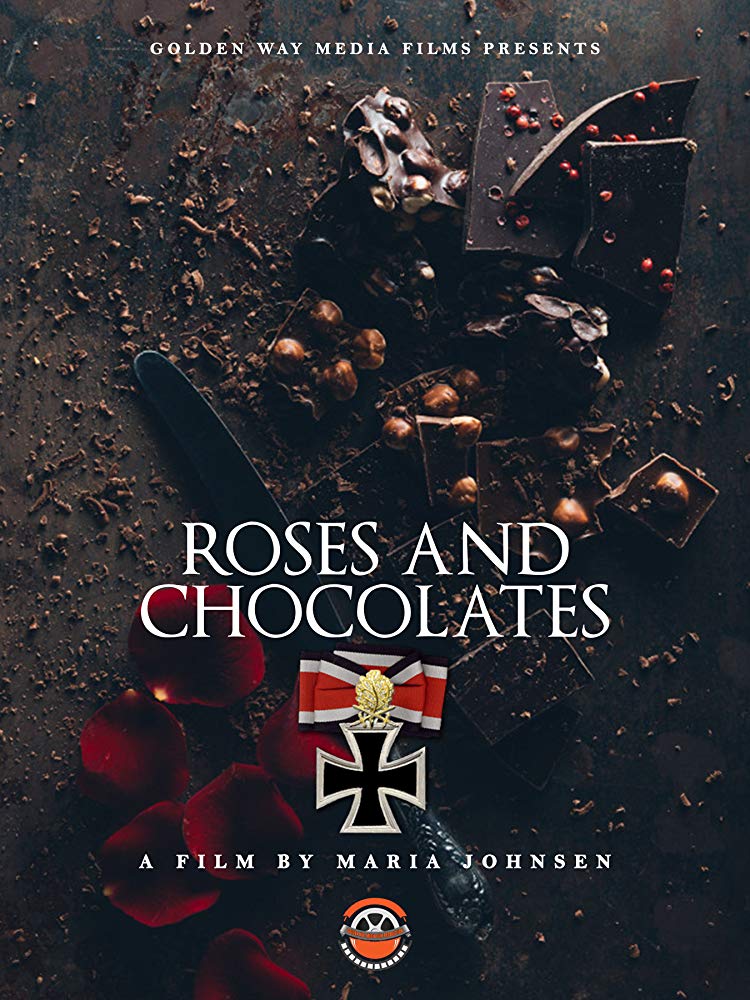
Roses and Chocolates
Roses and Chocolates
An Epic Television Saga of Love, Resistance, and Resilience
Roses and Chocolates is a groundbreaking one-hour episodic drama that transcends the boundaries of the typical historical romance. Spanning five seasons and thirty-two years, this sweeping narrative weaves together love, conflict, and the enduring human spirit. It is a journey through the tumultuous landscape of World War II and its long aftermath, following the lives of Veronica and Hans—two souls whose destiny is entwined with the horrors of war and the unbreakable bonds that transcend time.
Innovative Narrative Structure: Threads of Time
At its core, the series stands out for its braided narrative structure. By weaving together multiple time-periods based on true events, the show breaks free from conventional war story tropes. It explores not just the heat of battle, but the enduring reverberations of conflict—examining how war echoes through the lives of survivors and the generations that follow. This structure allows the audience to witness the characters’ profound transformation and resilience over three decades.
A Saga of Love and Liberation
The journey begins in the heart of Berlin. Veronica, a café waitress, and Hans, an SS officer, become unlikely lovers amidst a world at war. Their relationship is as passionate as it is forbidden; while Hans serves the regime, Veronica secretly risks everything for the White Rose movement, a courageous resistance effort to save lives from persecution. When their paths are forced apart by duty and danger, a generation-spanning odyssey begins.
The Five-Season Vision
The narrative unfolds across five distinct time-frames, offering a meticulously paced exploration of change:
The Crucible (1943–1944): The intensity of forbidden love against the backdrop of a regime at its height.
The Breaking Point (1944–1945): Hans’s loyalty to the Nazi ideology unravels as he risks his life to aid a prison escape, while Veronica fights for survival in occupied Norway.
The Aftermath & Beyond: Subsequent seasons delve into a post-war Europe scarred by conflict, following our protagonists as they embark on separate journeys of rebuilding, redemption, and a search for truth in a continent in flux.
A Profound Study of Humanism
Beyond the spectacle of history, Roses and Chocolates is a deep meditation on humanism. It is a thoughtful dissection of identity, exploring how individuals navigate loss and the pursuit of freedom. The series serves as a sophisticated exploration of relationship dynamics, showing how love can be both a vulnerability and a source of ultimate strength.
Future Vision
Produced by Golden Way Media Films and driven by the visionary storytelling of Maria Johnsen, Roses and Chocolates is a high-concept, multi-layered drama poised to captivate global audiences. We are currently seeking collaborations with TV networks and production partners who recognize the power of prestige, serialized storytelling.
An unlikely couple is torn between their disparate worlds and their love for each other. Based on Maria Johnsen’s novel “Roses and Chocolates” This is a 5 seasons TV series. The story starts from 1943 until 1975.
Logline:
Pregnant Veronica is discovered helping the German Jews, forced to flee, she and her unborn child go into hiding leaving the love of her life behind. Can this family be reunited after three decades of time apart?
Genre: Drama
Producer, writer, director: Maria Johnsen
Production: Golden Way Media Films
Roses and Chocolates is a one hour episodic serial narrative which functions as a historical romance novel for television. Ostensibly, the five seasons are an epic thirty two-year story of love separated by war, following two lead individuals, their struggles, and the changes and contradictions in their lives and characters over these three decades, as well as that of the loved ones they hold close.
Roses and Chocolates reinvents the procedural form using a unique, layered story structure which braids multiple time-periods, based on true events. This structure breaks apart the traditional tropes that audiences are familiar with from war stories, as we see the repercussions and resonance of conflict, both in the wider society and in the lives of the survivors and for the next generation to come.